
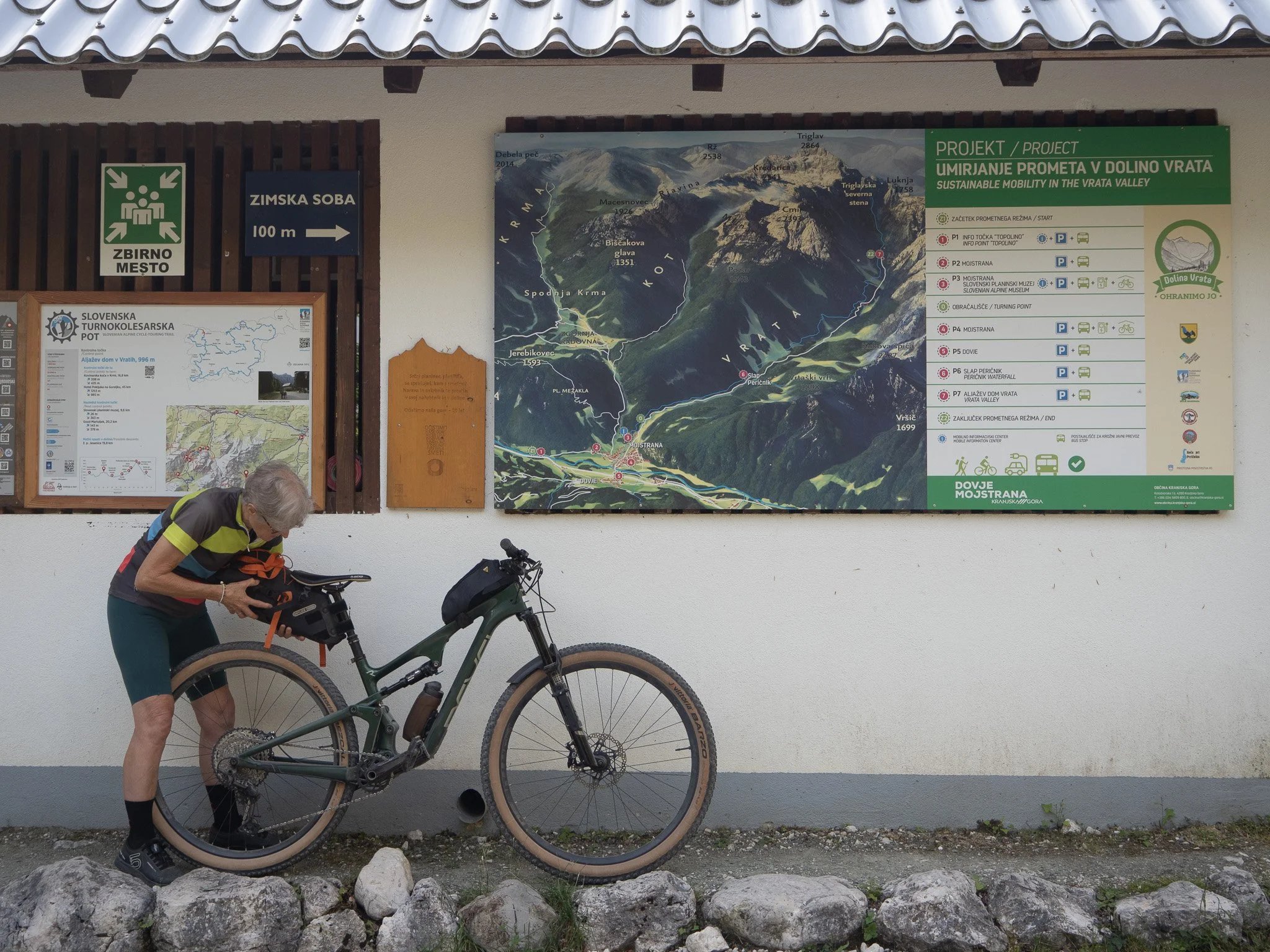
Planning your next adventure with Sisters in the Wild? One of the most common questions we receive is about bikes – what to bring, what to leave at home, and how to prepare for the adventure. Whether you're bringing your trusty steed or hiring one, this guide will help you pack for your adventure with confidence.
Should I Bring My Own Bike Or Hire One?
Bringing Your Own Bike
Pros:
You know exactly how it handles and fits
It's already adjusted to your preferences
No additional rental costs
You can use your familiar components and setup
Cons:
Travel logistics and potential damage during transport
Cost to bring a bike on an airplane
Best for: Experienced cyclists comfortable with bike maintenance, longer trips where comfort is paramount, or when you have specific bike requirements.
Hiring A Bike
Pros:
No transport worries
Hire bikes are professionally maintained and trip-ready
Perfect opportunity to try something new
Cons:
May take time to adjust to unfamiliar bike
Limited customization options
Additional cost
Best for: Those new to off-road who may not own their own gravel/mtb bike yet, international travel, or anyone simply wanting a hassle-free experience.
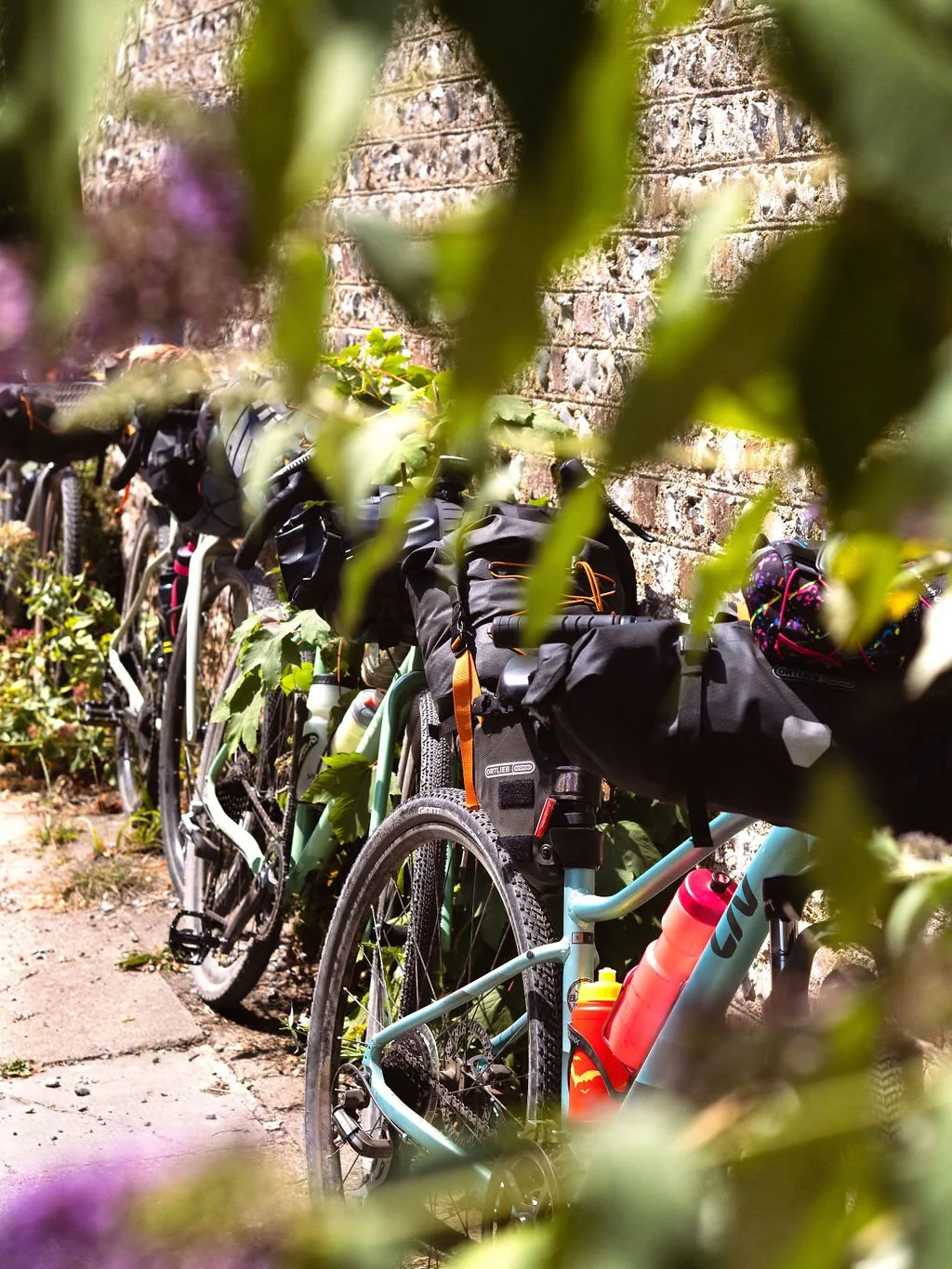
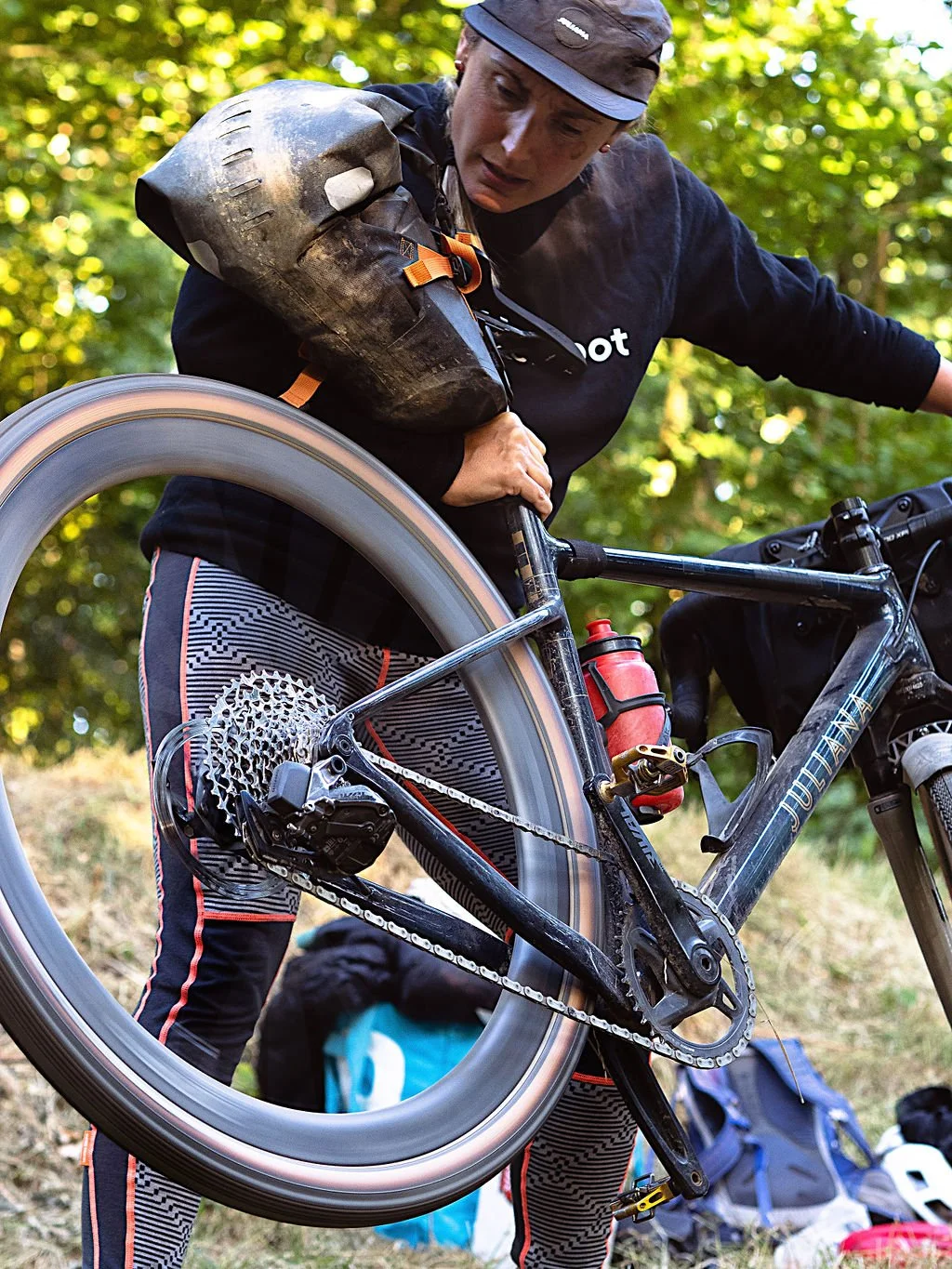




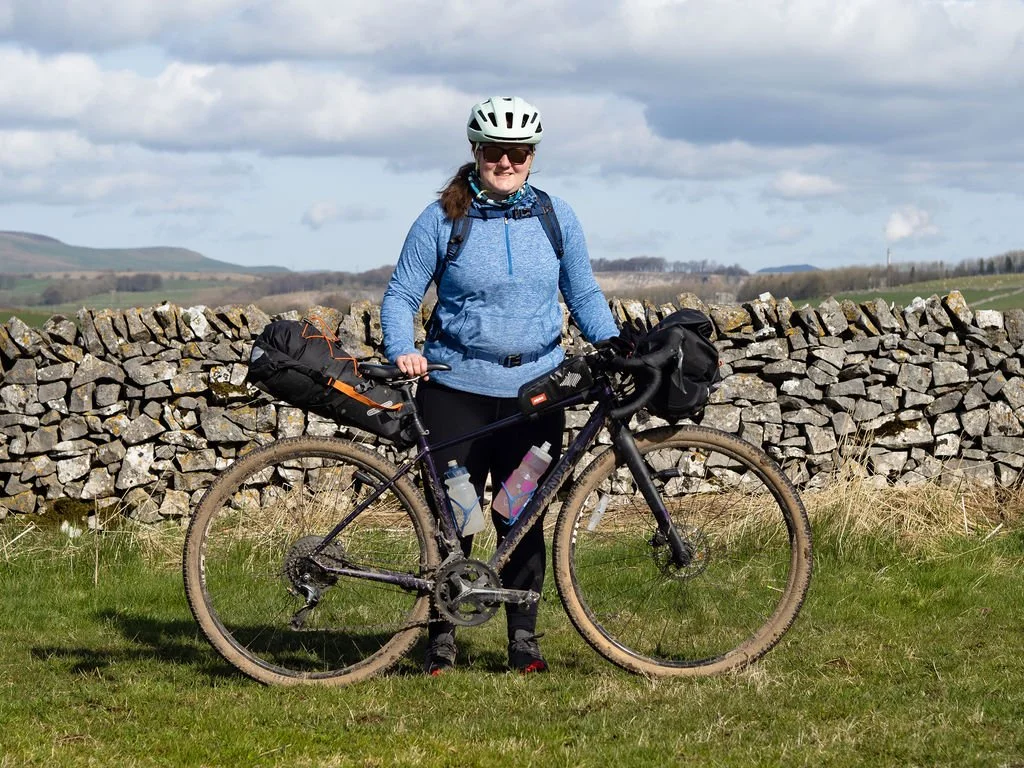
Choosing The Right Bike For Your Adventure
On each of our trips, we specify what type of bike, including recommended tire size for the terrain you will encounter. The key is that your bike is ride worthy, serviced, and ready to go.
Essential Spares: What To Pack
If You're Bringing Your Own Bike
The Basics:
Spare inner tubes and puncture repair kit (2 tubes minimum)
Tyre levers
Portable pump or CO2 inflator with cartridges
Multi-tool with chain breaker. (If flying, be warned that they will most likely confiscate this at security if taken as carry-on! Pack in your hold luggage)
Quick-link or master link for your chain
Spare brake pads for your bike
Tubeless plugs/spare sealant if running tubeless tyres
Spare derailleur hanger specific to your bike. This website can help you figure out which one you need
Bike lock
The Good To Haves:
Chain lube
Electrical tape or duct tape (wrap it around your water bottle or pump!)
Zip ties
Our spare parts list includes a few items that are specific to the make of your bike (derailleur hanger, chain link and brake pads) that can be hard to find in local bike shops if you have an issue. You don't necessarily need to know how to replace them – but having these small parts available will make it easier for our guides or bike shops to help.
If You're Hiring A Bike
What The Hire Company Provides:
Basic flat repair tools like tire levers and pump
A spare inner tube appropriate for the bike
What You Should Still Bring:
Your own pedals (if you use clipless)
Personal comfort items (i.e., your own saddle if you prefer)
Your own helmet
Any specialized accessories you prefer like phone and bike computer mounts
Multi-tool
Portable pump
Bike lock
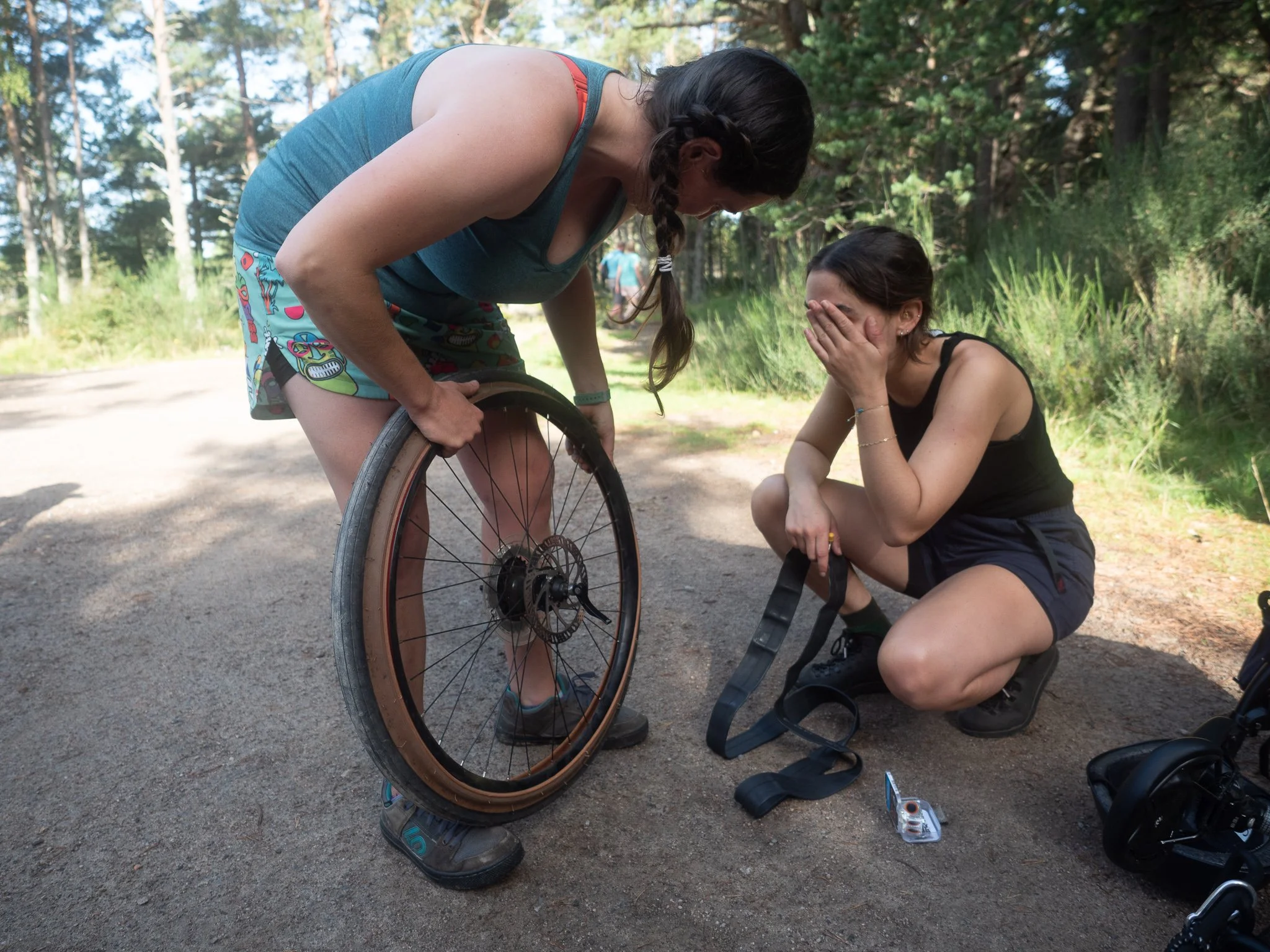
While we can help you handle major mechanical issues and provide support, it’s good for you to know basic maintenance like flat repair so you can handle these yourself during the day.
Packing Your Bike For Travel
It’s important that your bike is in safe working order before your trip and we recommend giving it a service before travelling. A set of fresh brake pads and a smooth running drive chain (chain, cassette, bottom bracket, etc.) are essential. They will be working hard for you on your adventure!
Flying With Your Bike
Check airline policies first: Every airline has different rules – some include bikes in your standard baggage allowance, others charge a fee (£35+ each way), and many require advance notification when booking
Book bike transport early: Don't assume you can just turn up – many airlines have limited space for bikes and require 24-48 hours advance notice (e.g., Air France and KLM)
Use a quality bike case or cardboard bike box. These will be stored for you during your trip.
Remove pedals, wheels, and often the rear derailleur, seat post and handlebars
Deflate tires partially
Protect the frame with padding
Take photos of your setup before disassembly
You’ll find numerous YouTube videos on how to pack your bike
Taking The Train With Your Bike
Book early: Many train operators have limited bike spaces (often just 2-6 bikes per train), so reserve your bike slot well in advance – sometimes months ahead for popular routes
Check operator policies: Different train companies have varying rules – some require mandatory reservations, others operate on a first-come basis
Know the restrictions: Peak travel times often have stricter limitations, and some operators don't allow bikes during rush hours
Have a backup plan: If bike spaces are full, consider splitting your journey across multiple trains
Arrive early: Even with a reservation, arrive at the station with plenty of time to locate the bike carriage and secure your bike properly
Top Tips
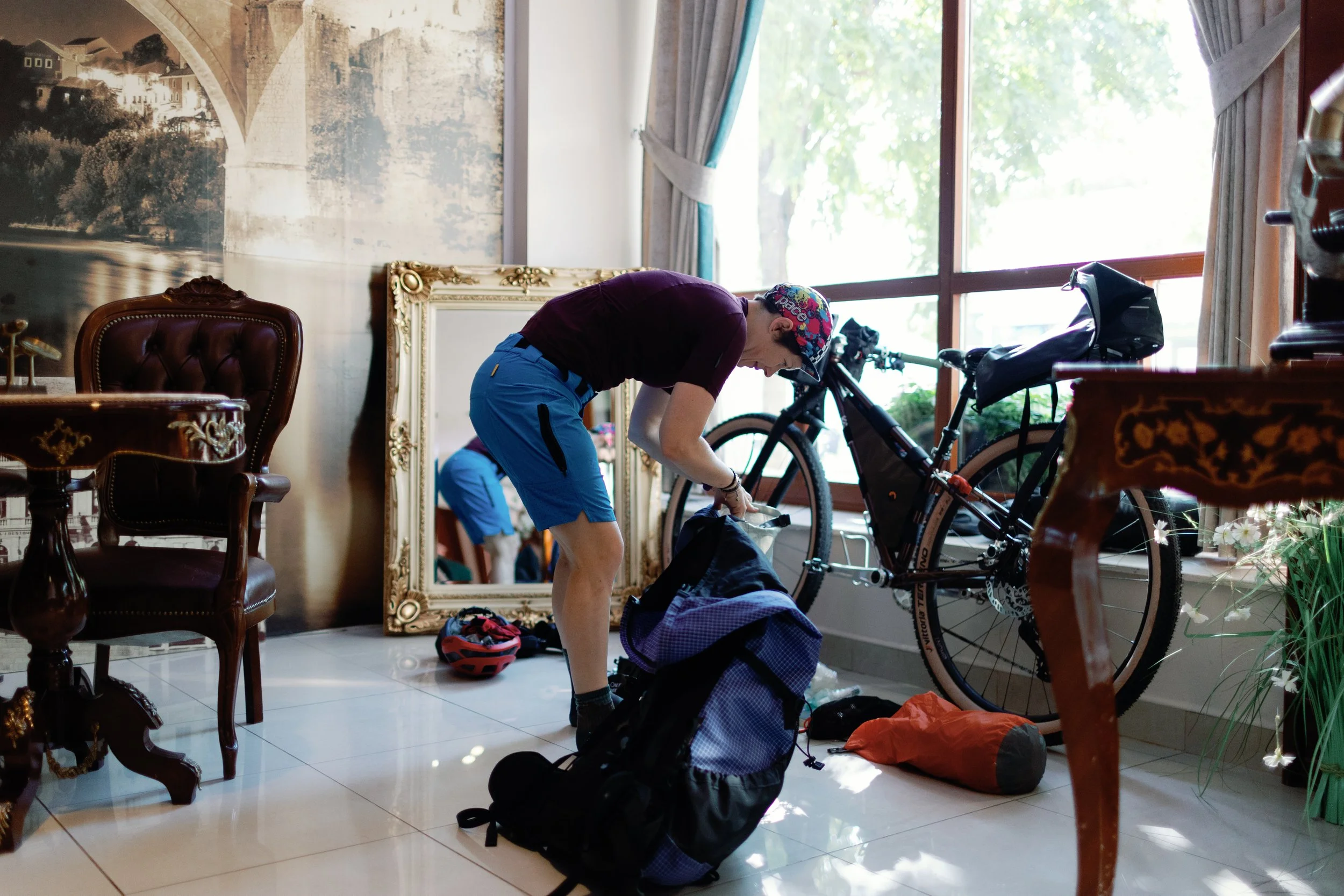
Start with what you know: If you're comfortable with your current setup, don't make major changes right before a big adventure.
Practice repairs at home: The side of a trail isn't the place to learn how to fix a puncture for the first time.
Pack light, but not too light: Every gram counts on long climbs, but being stranded without essential repairs is worse than carrying a few extra tools.
Ready to Roll?
Remember, the best bike for your Sisters in the Wild adventure is one that's reliable, comfortable, and gets you excited about the journey ahead. Whether you're bringing your beloved bike or renting one, proper preparation will help ensure your focus stays on the incredible landscapes and experiences waiting for you.
Have specific questions about your upcoming adventure? Don't hesitate to reach out to our team – we're here to help you make the most of every pedal stroke.